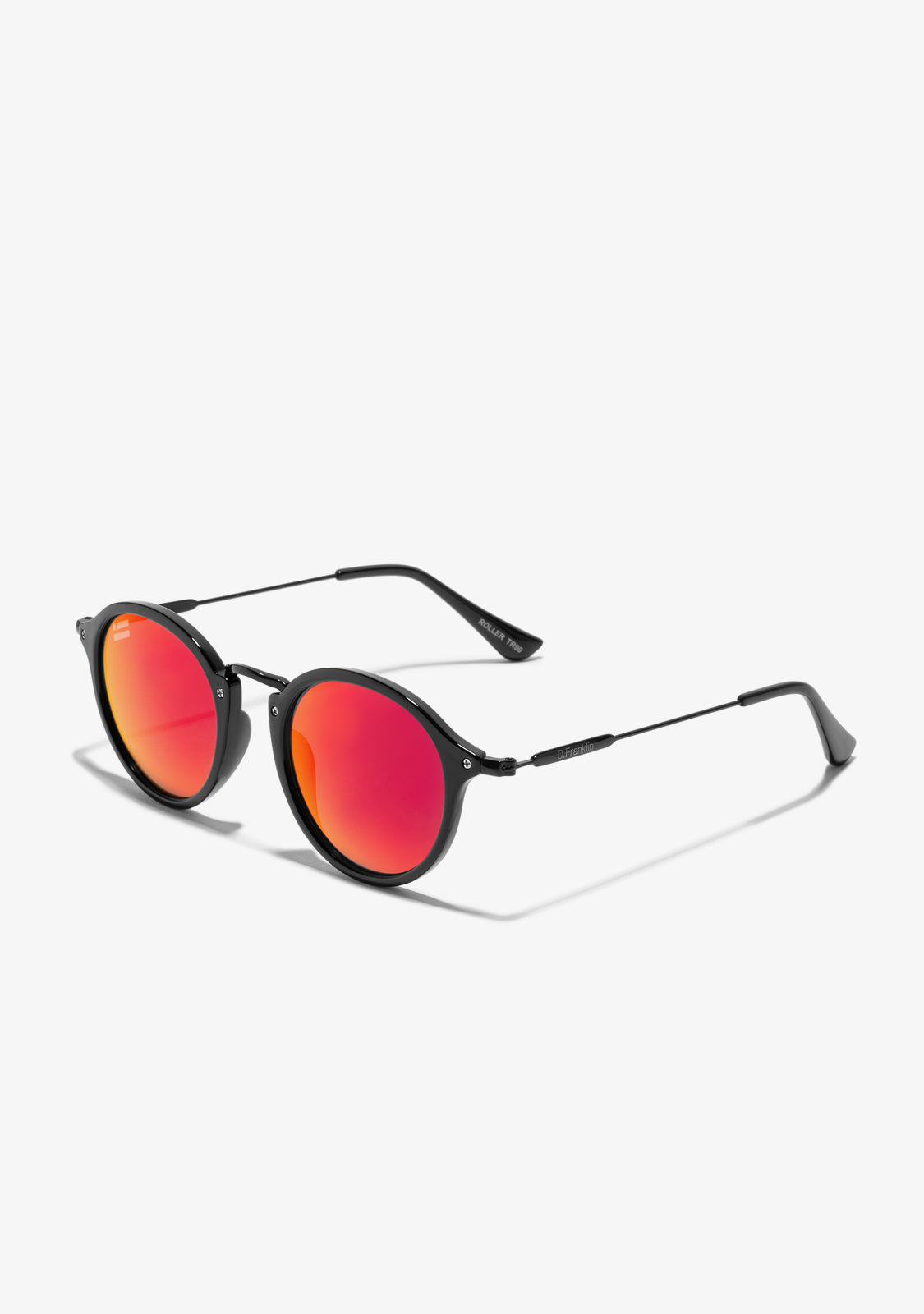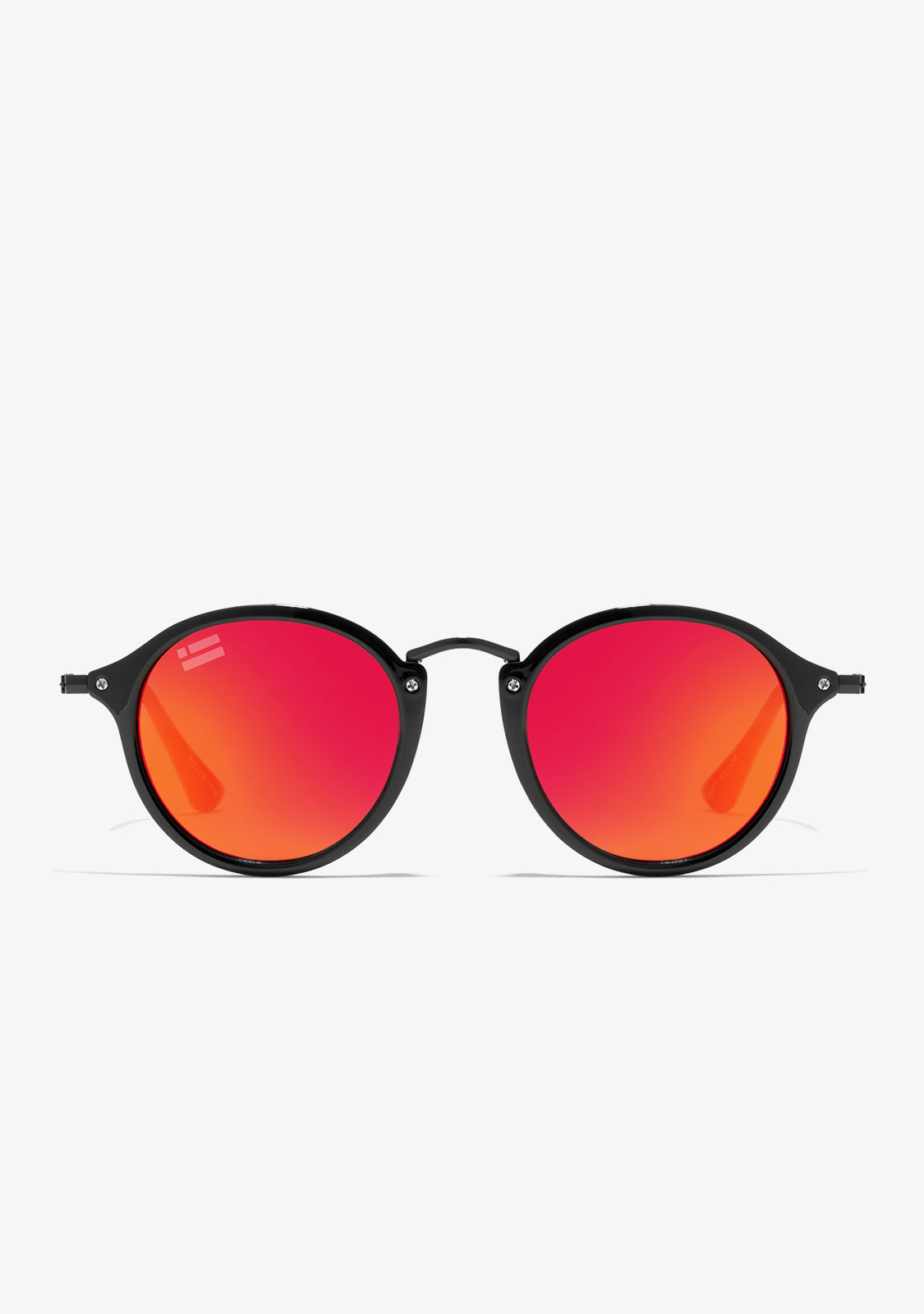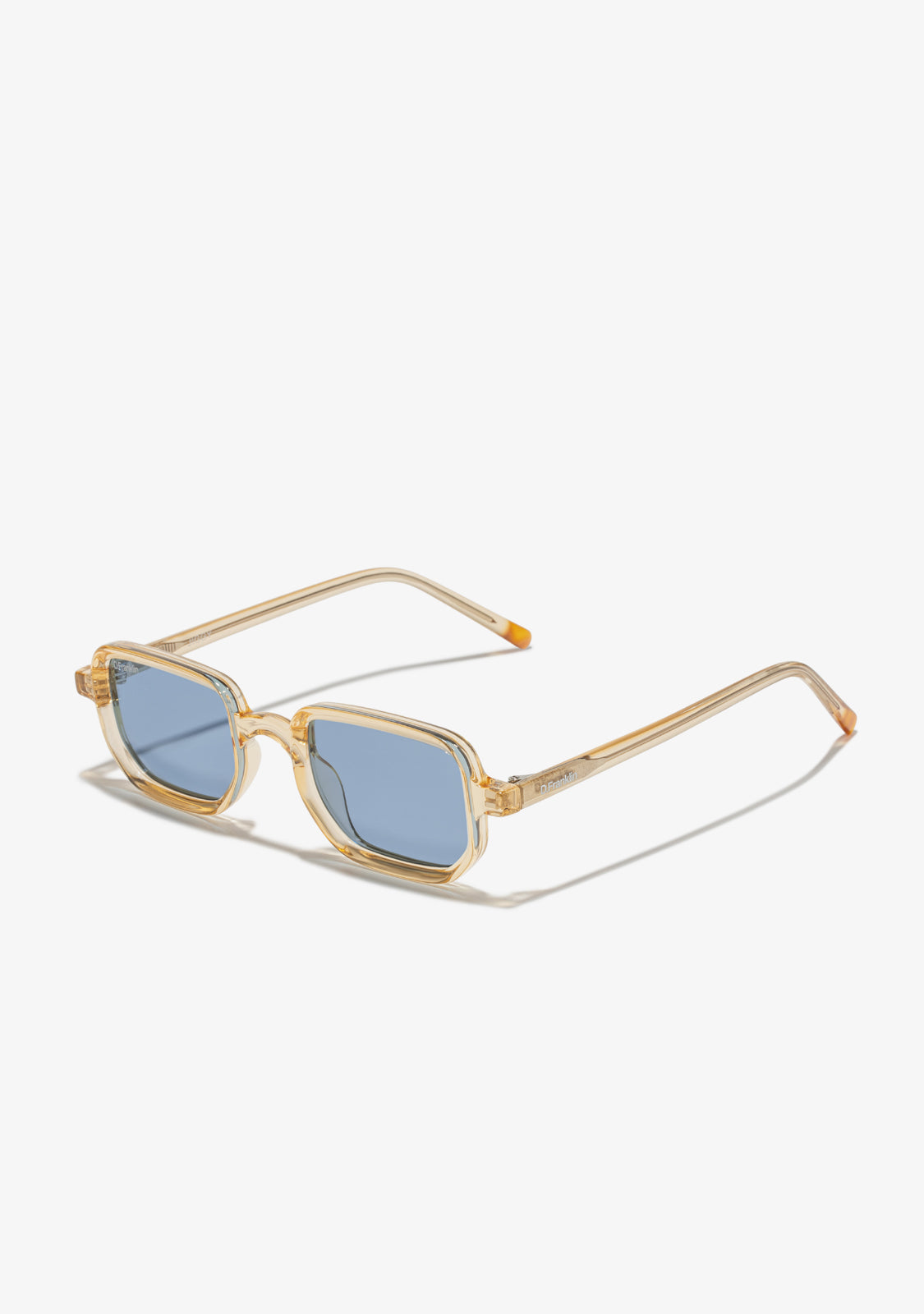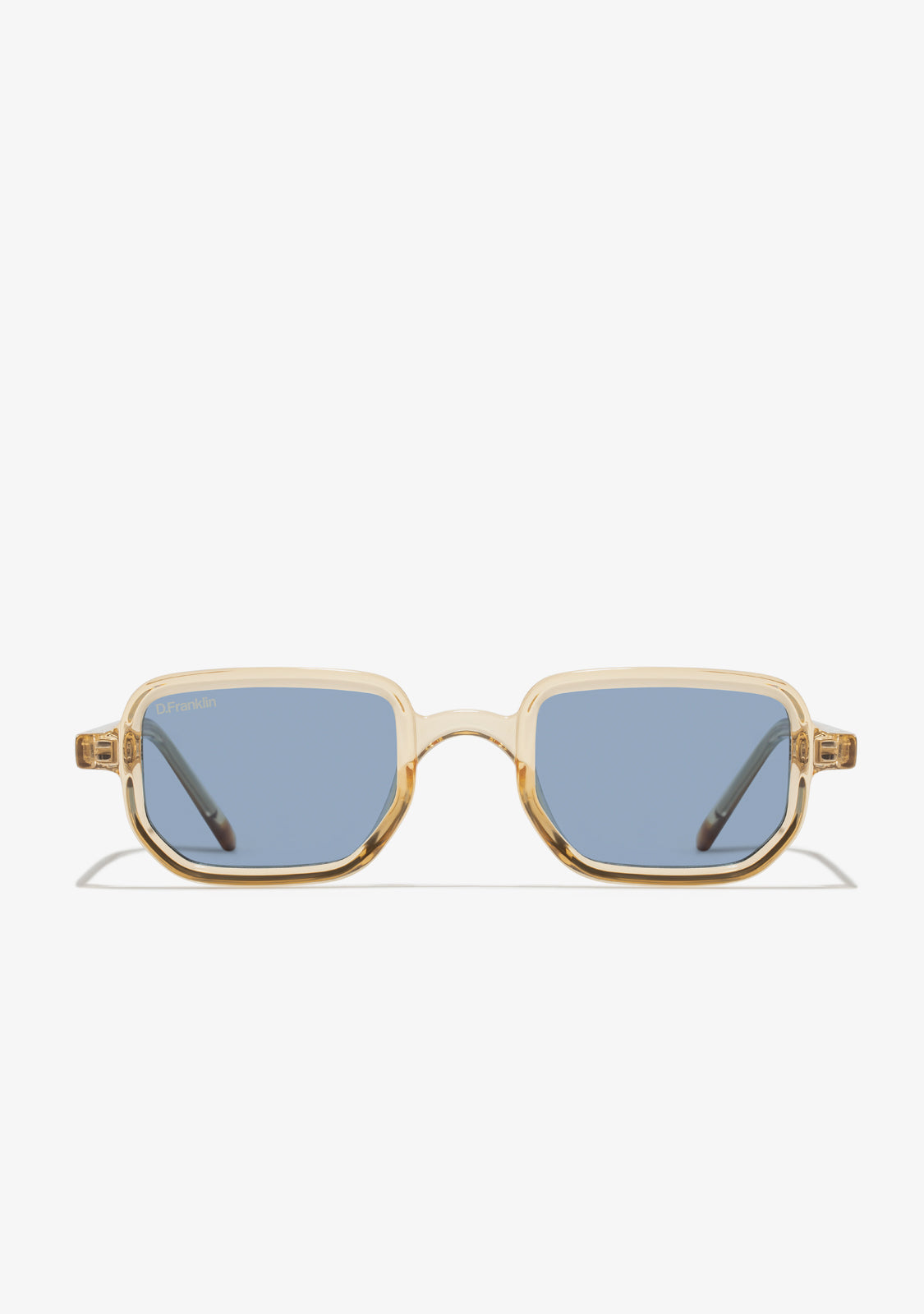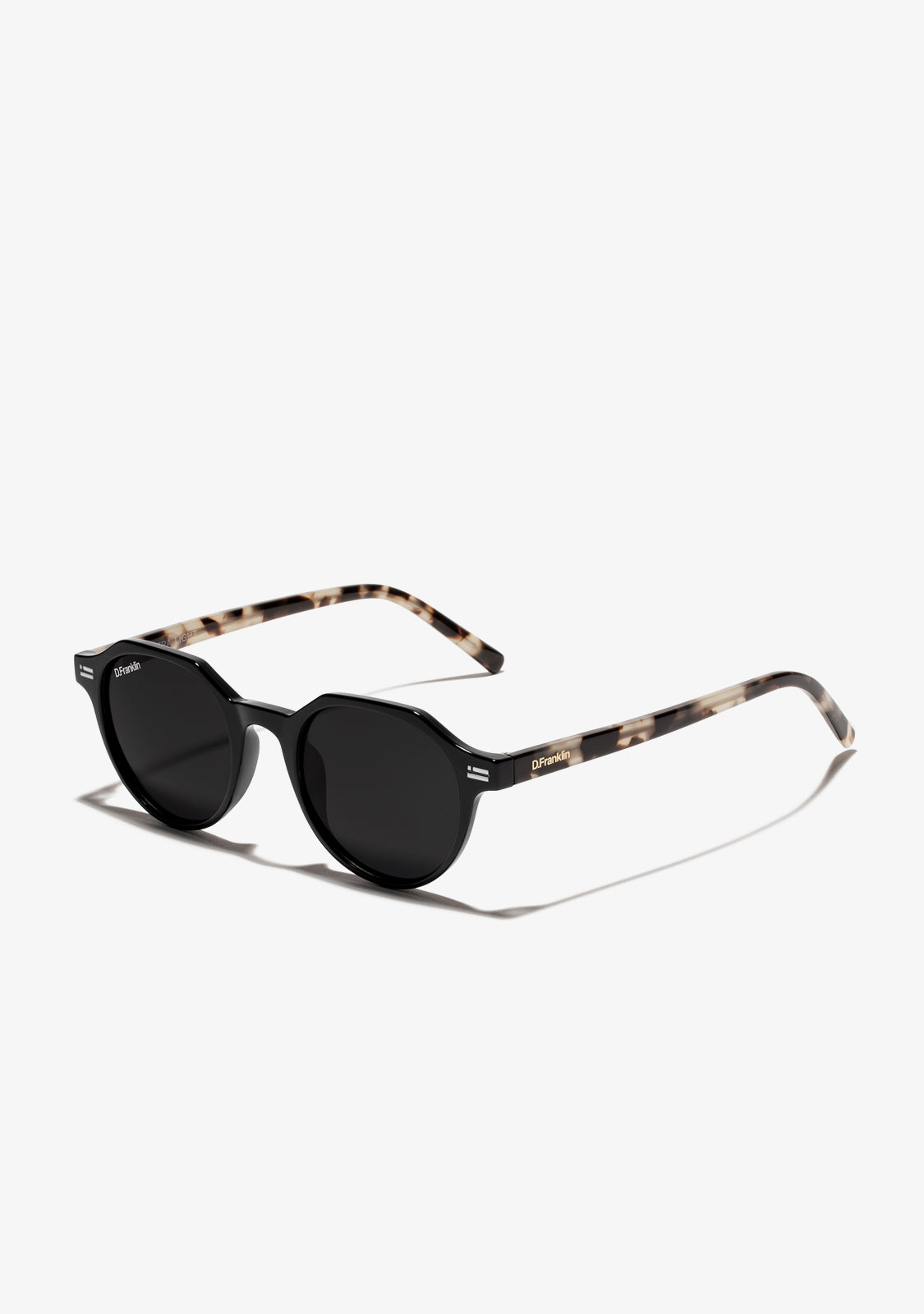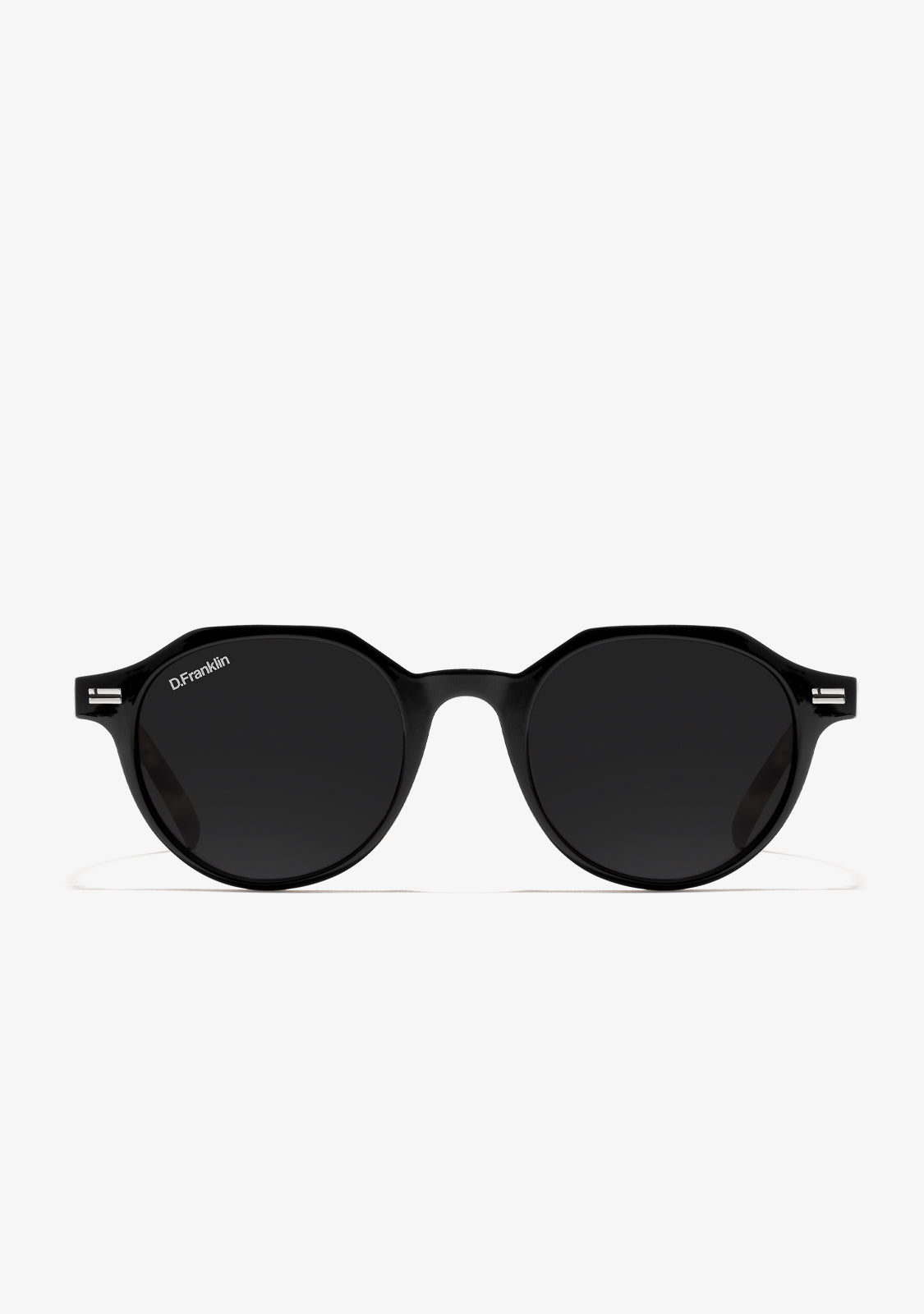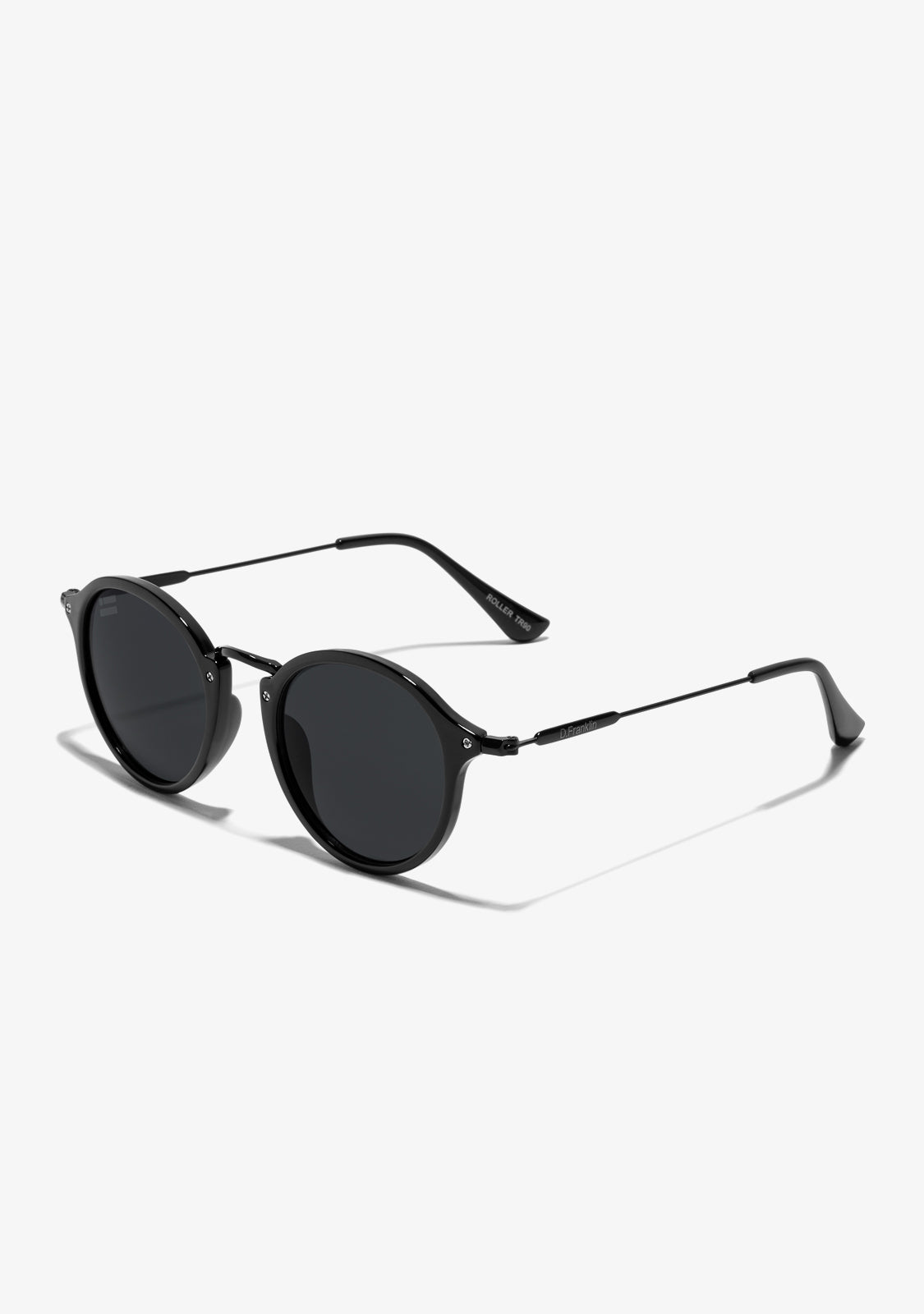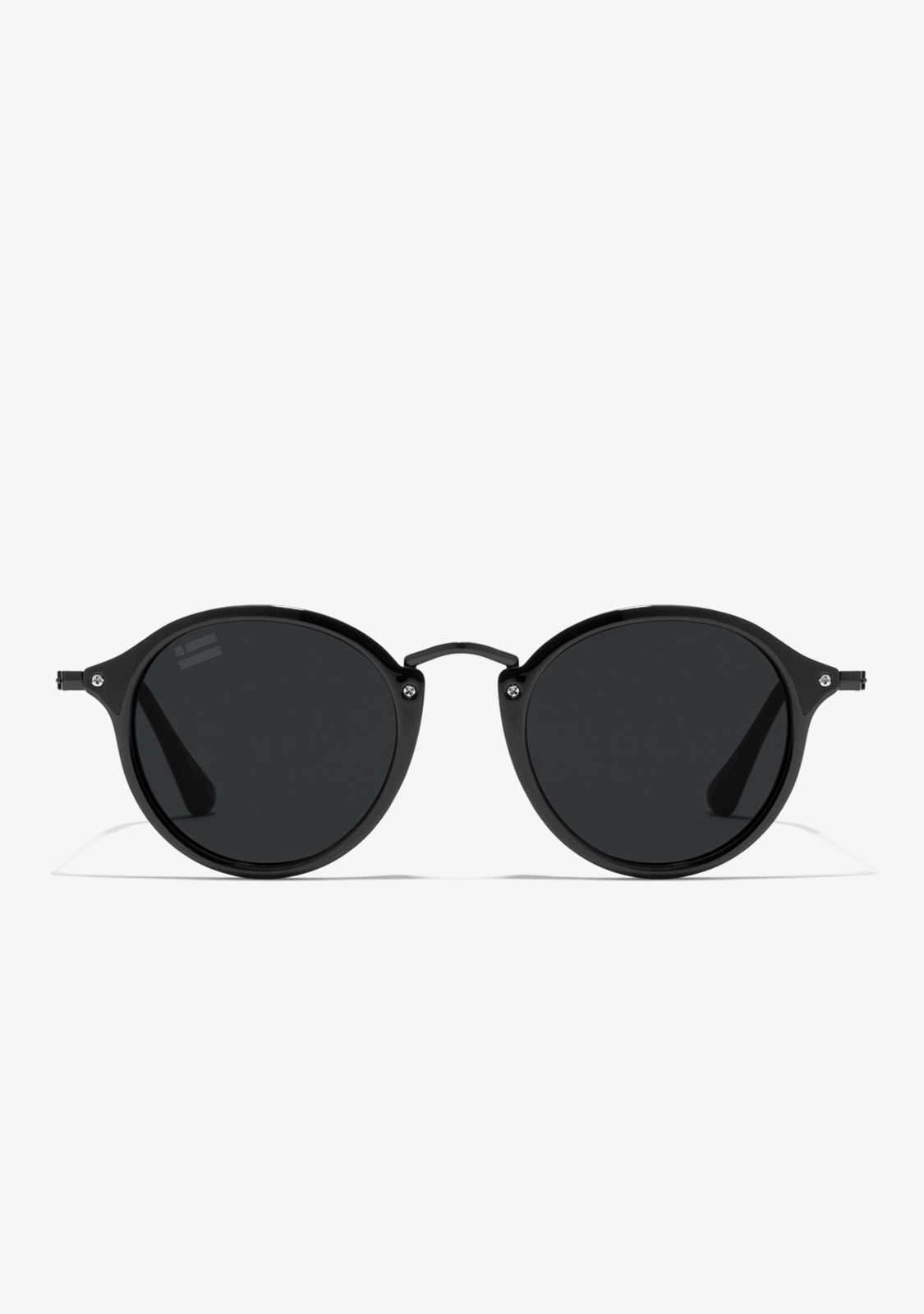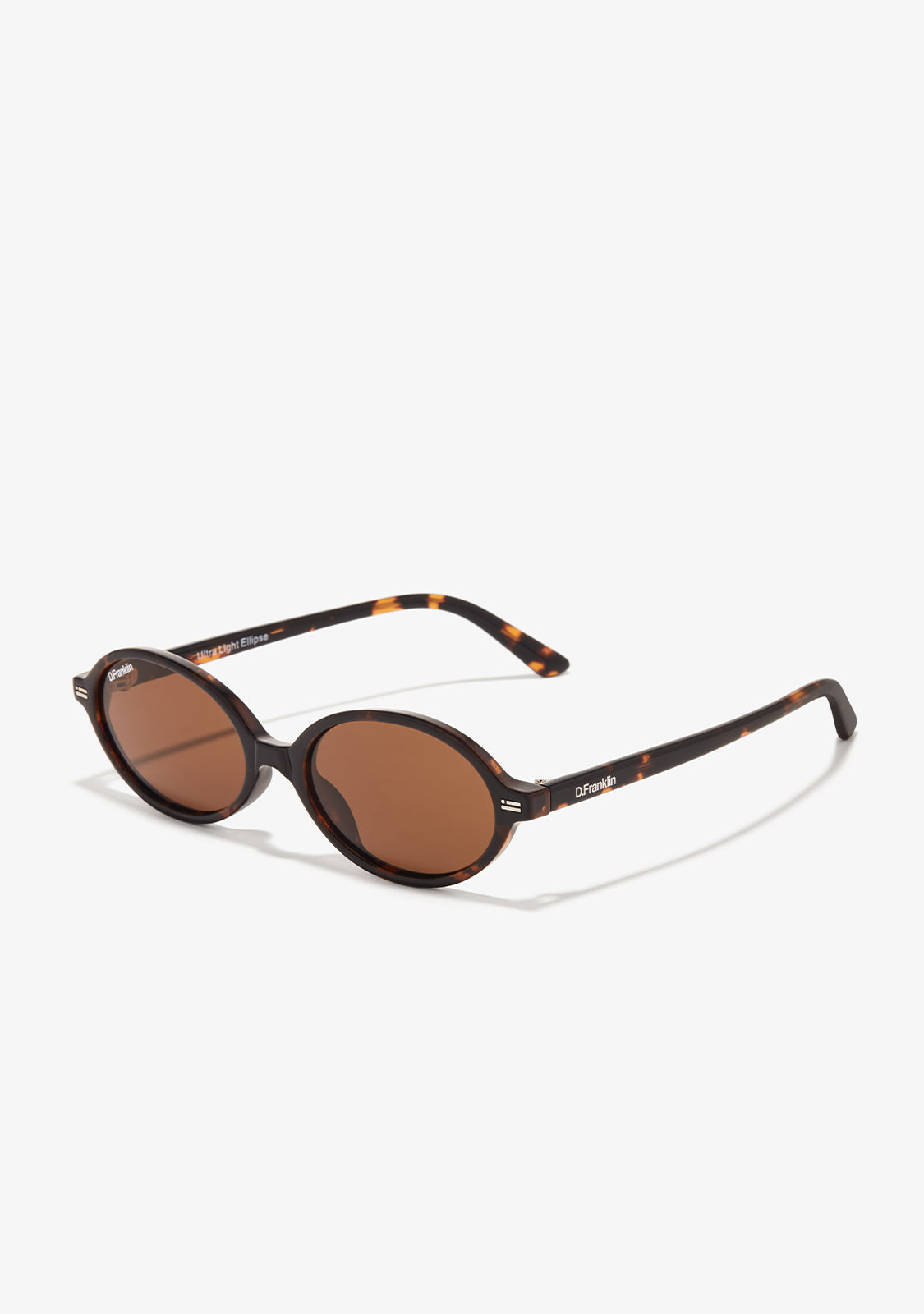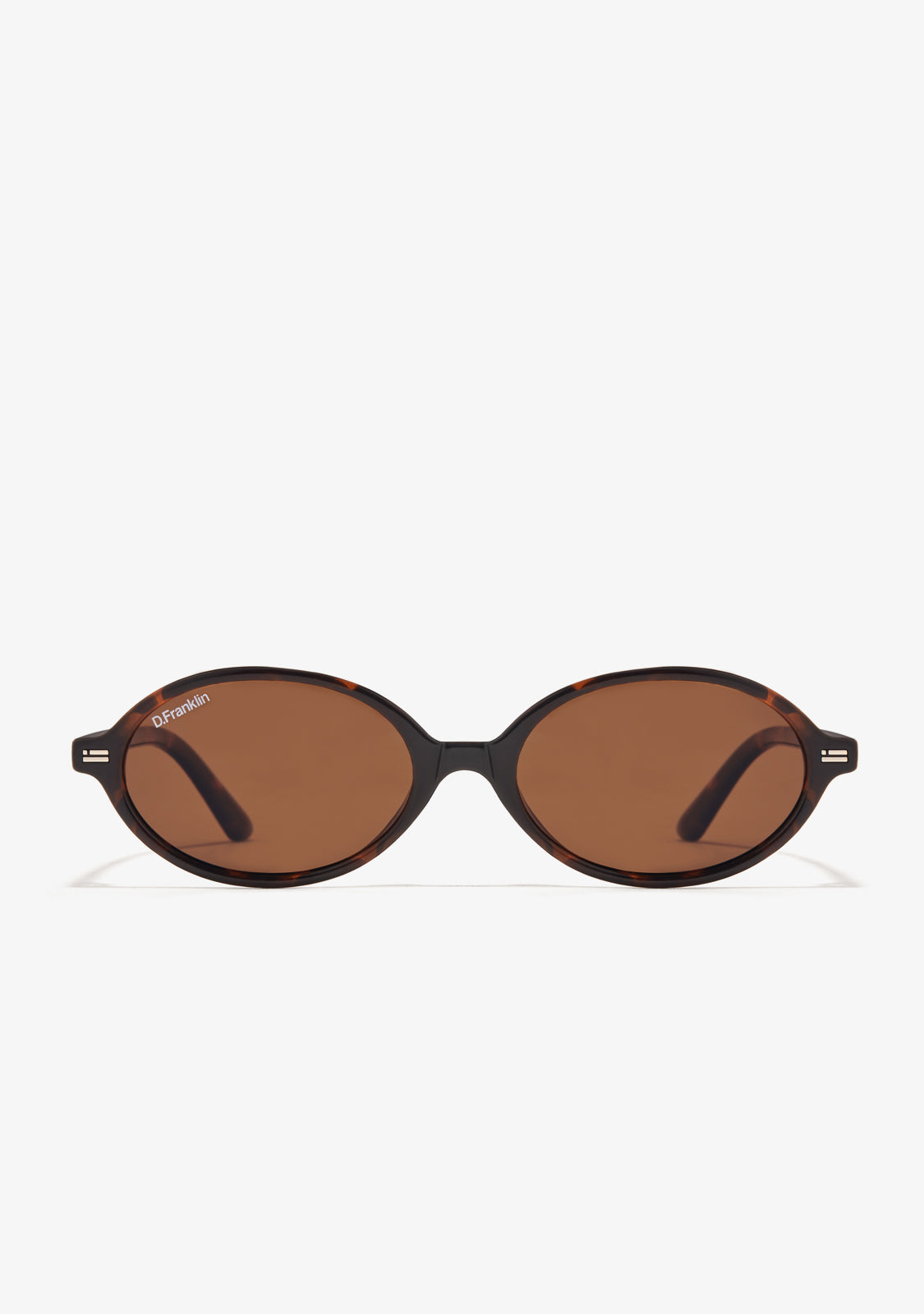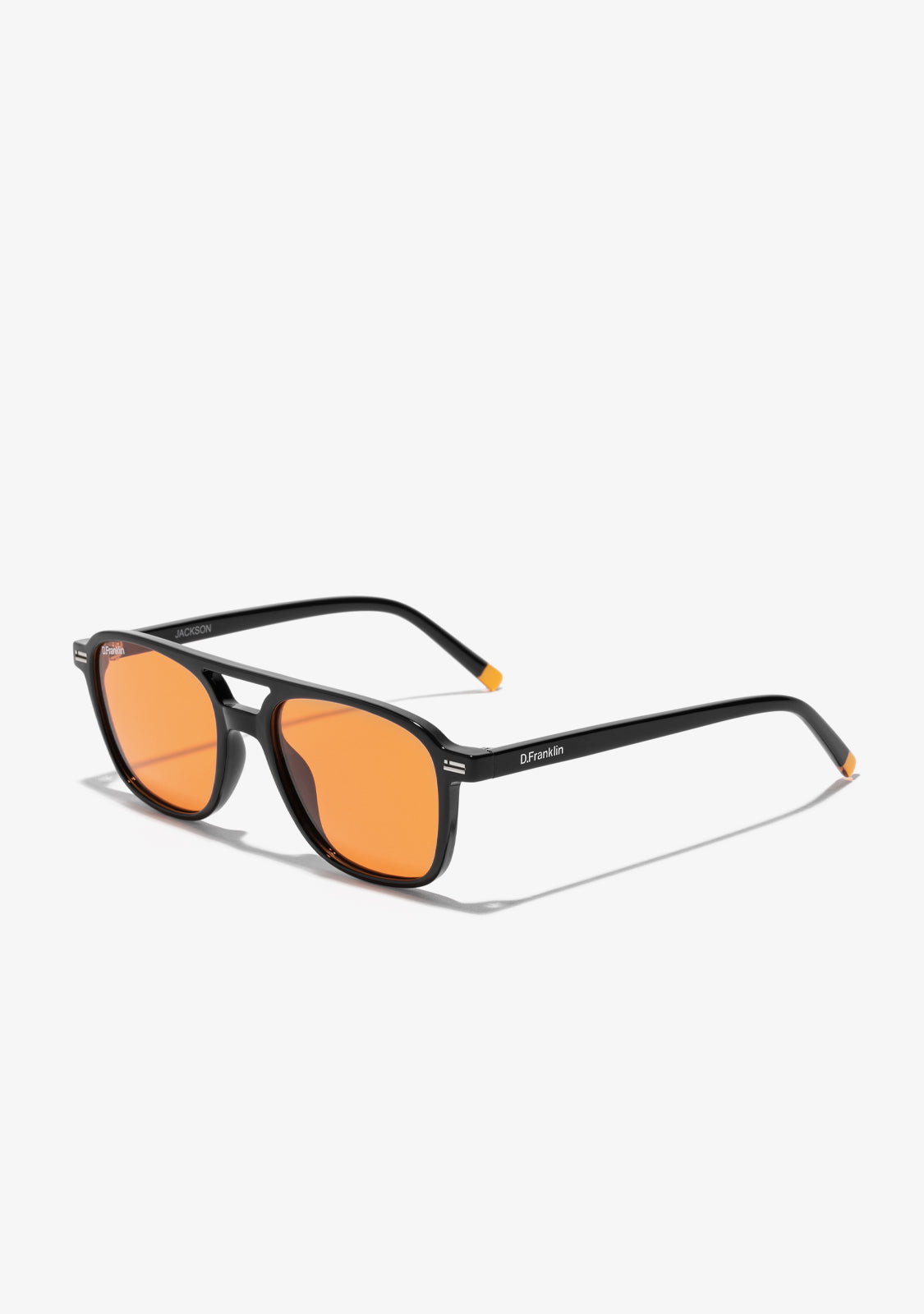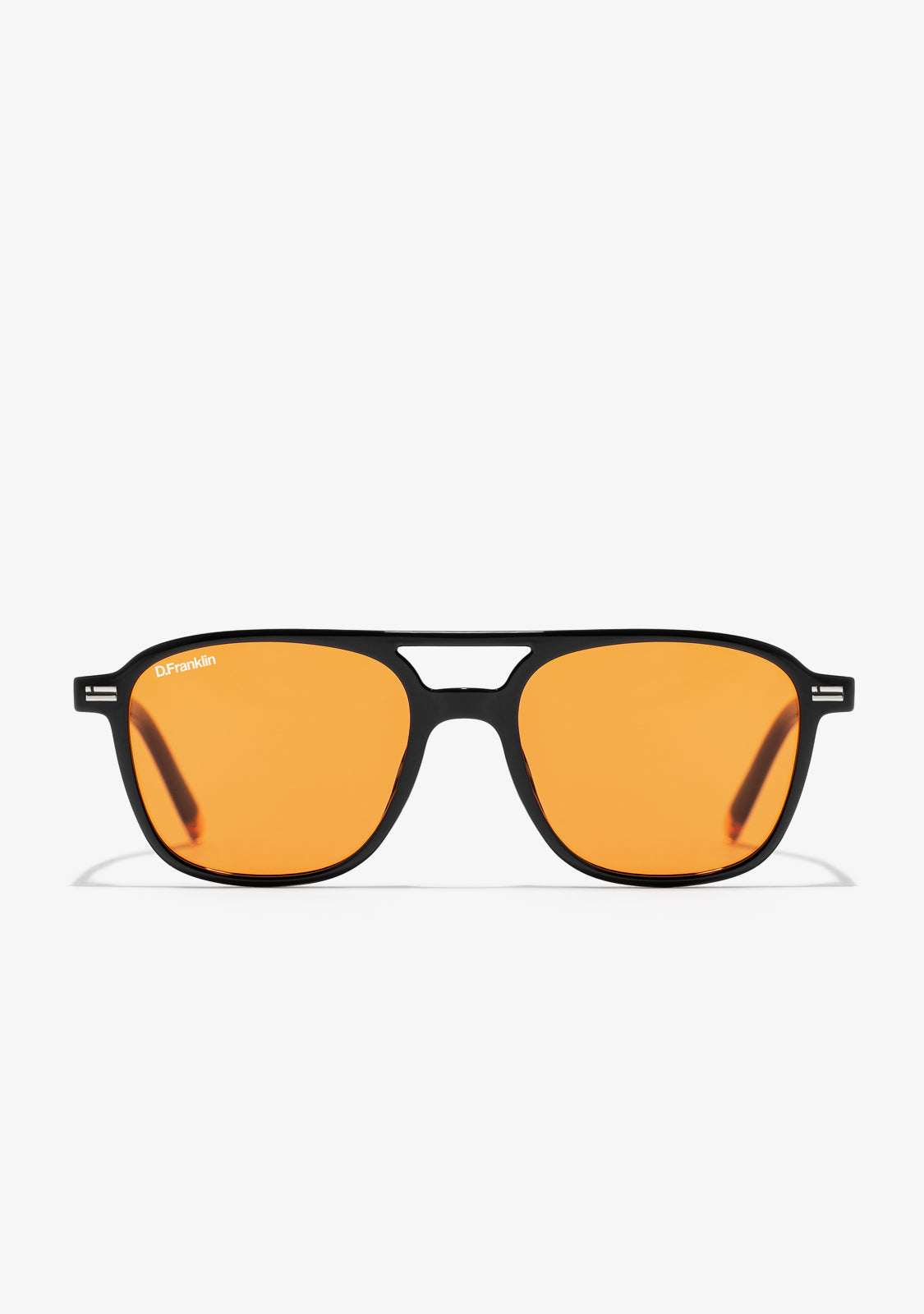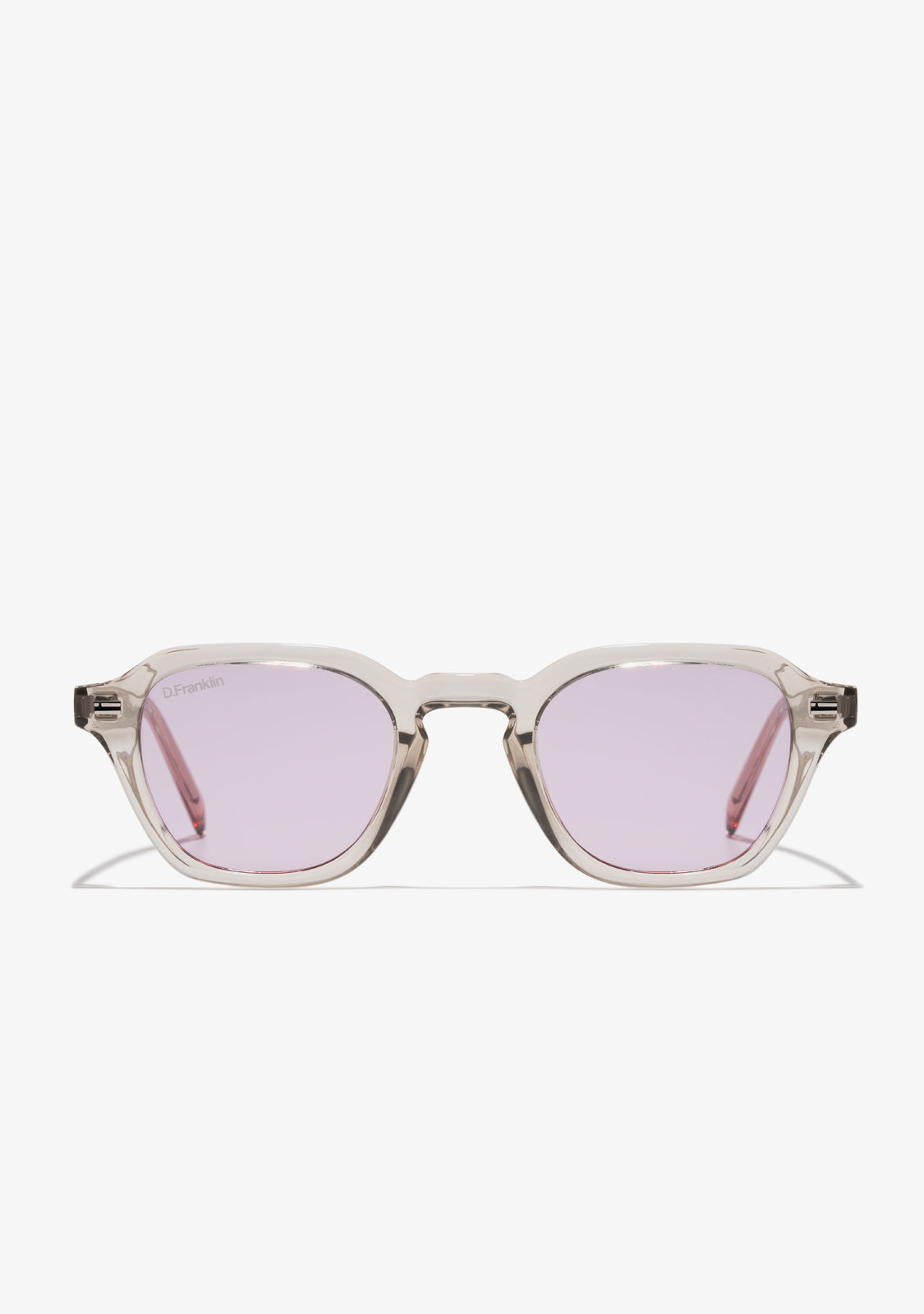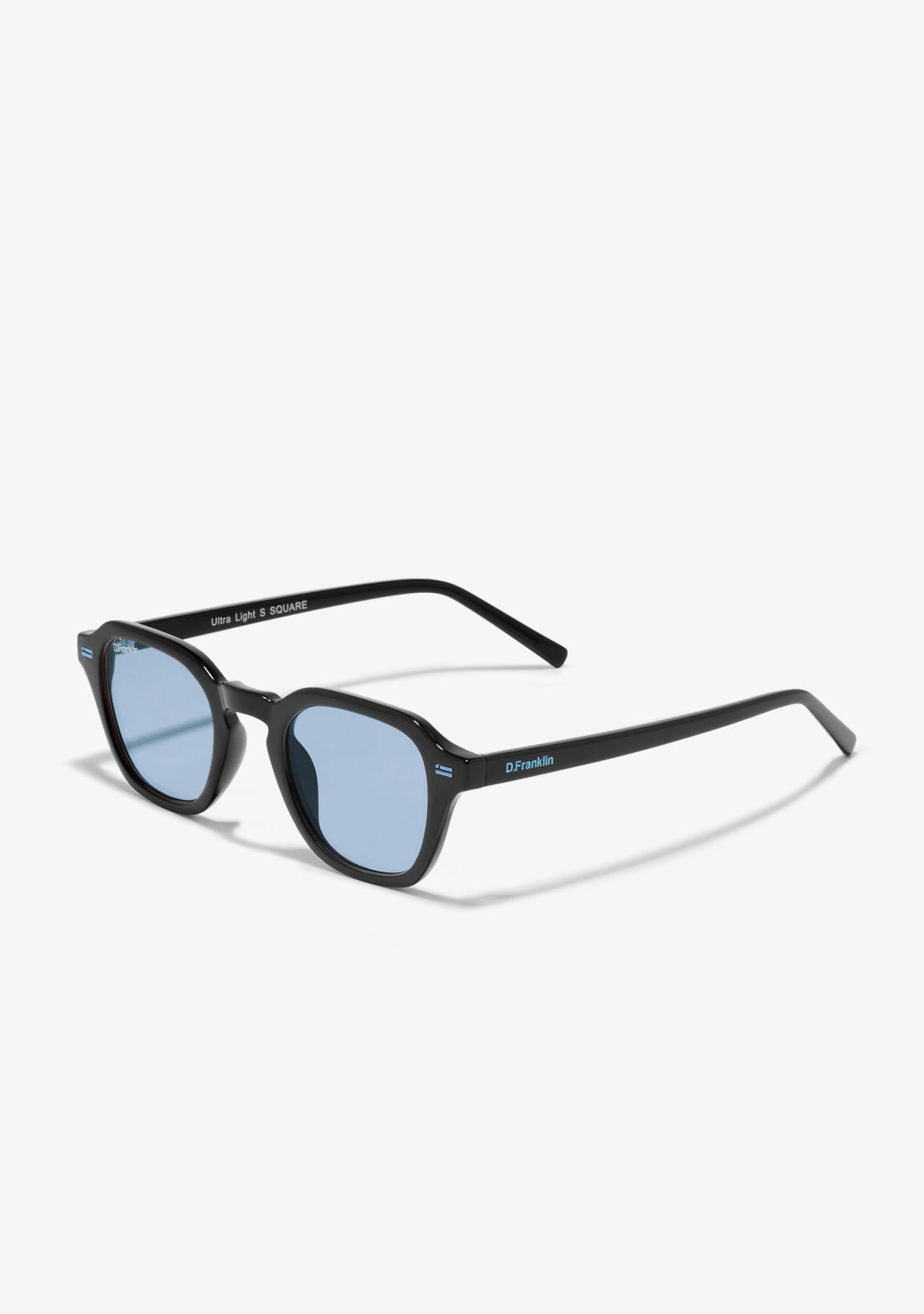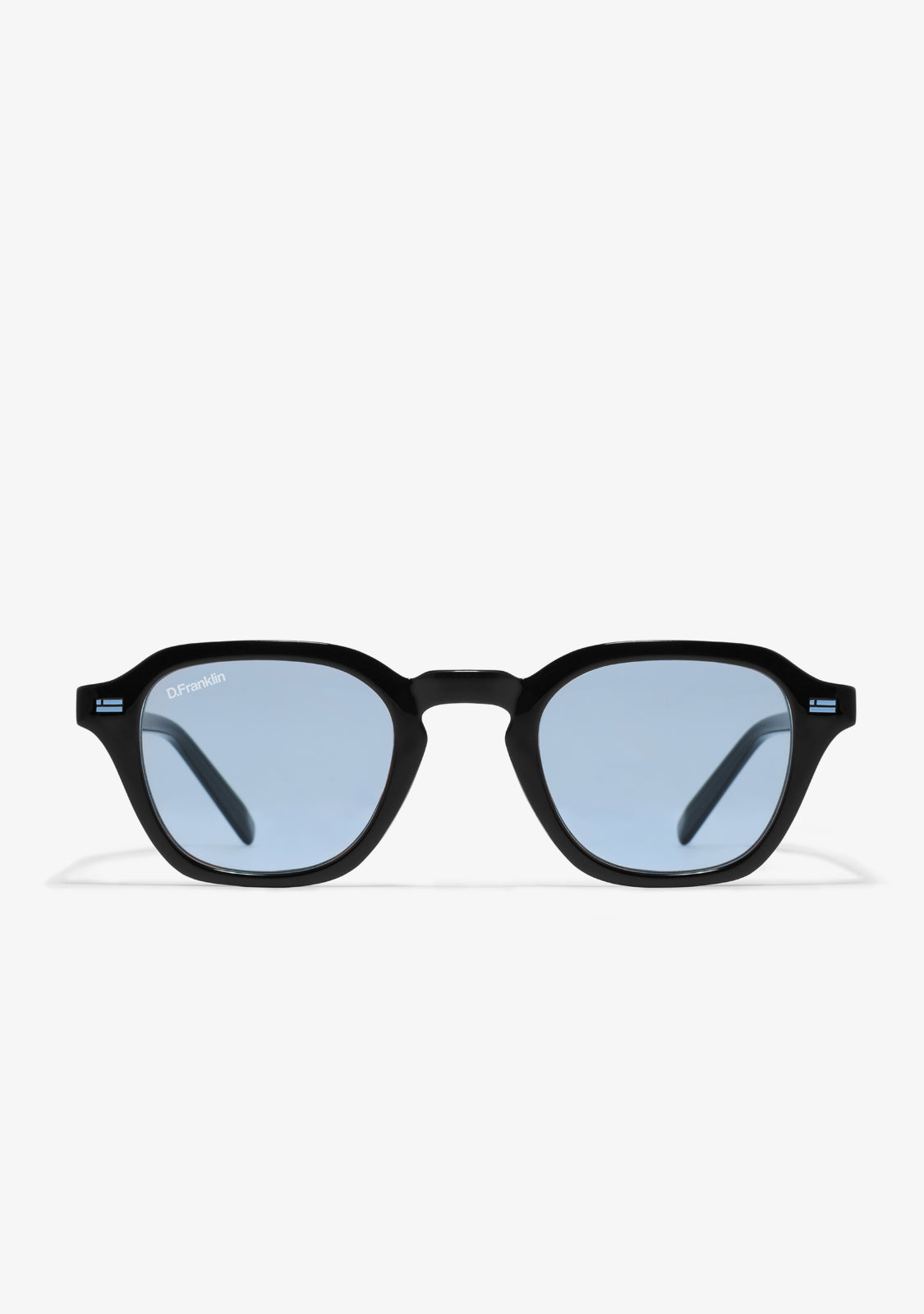
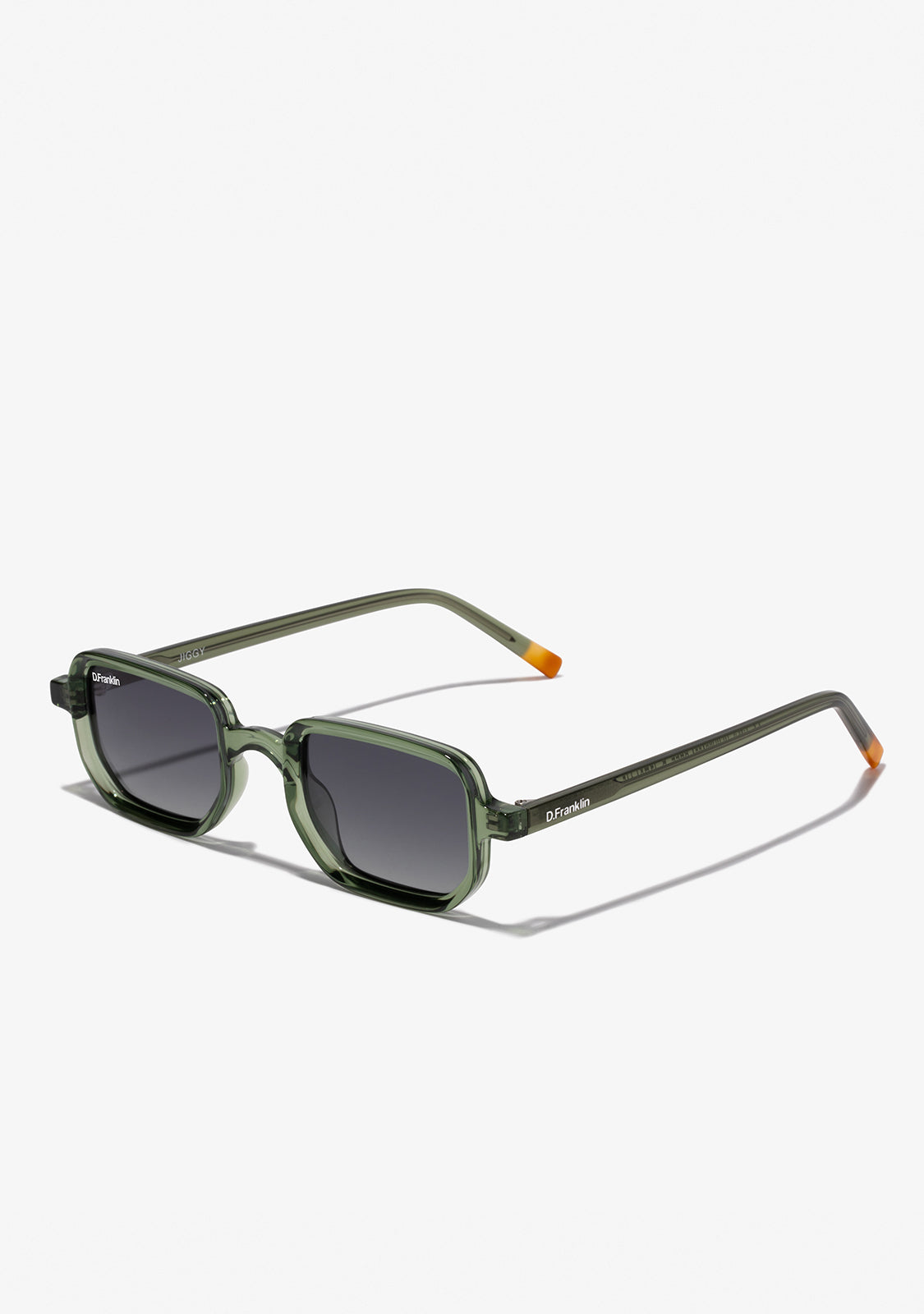
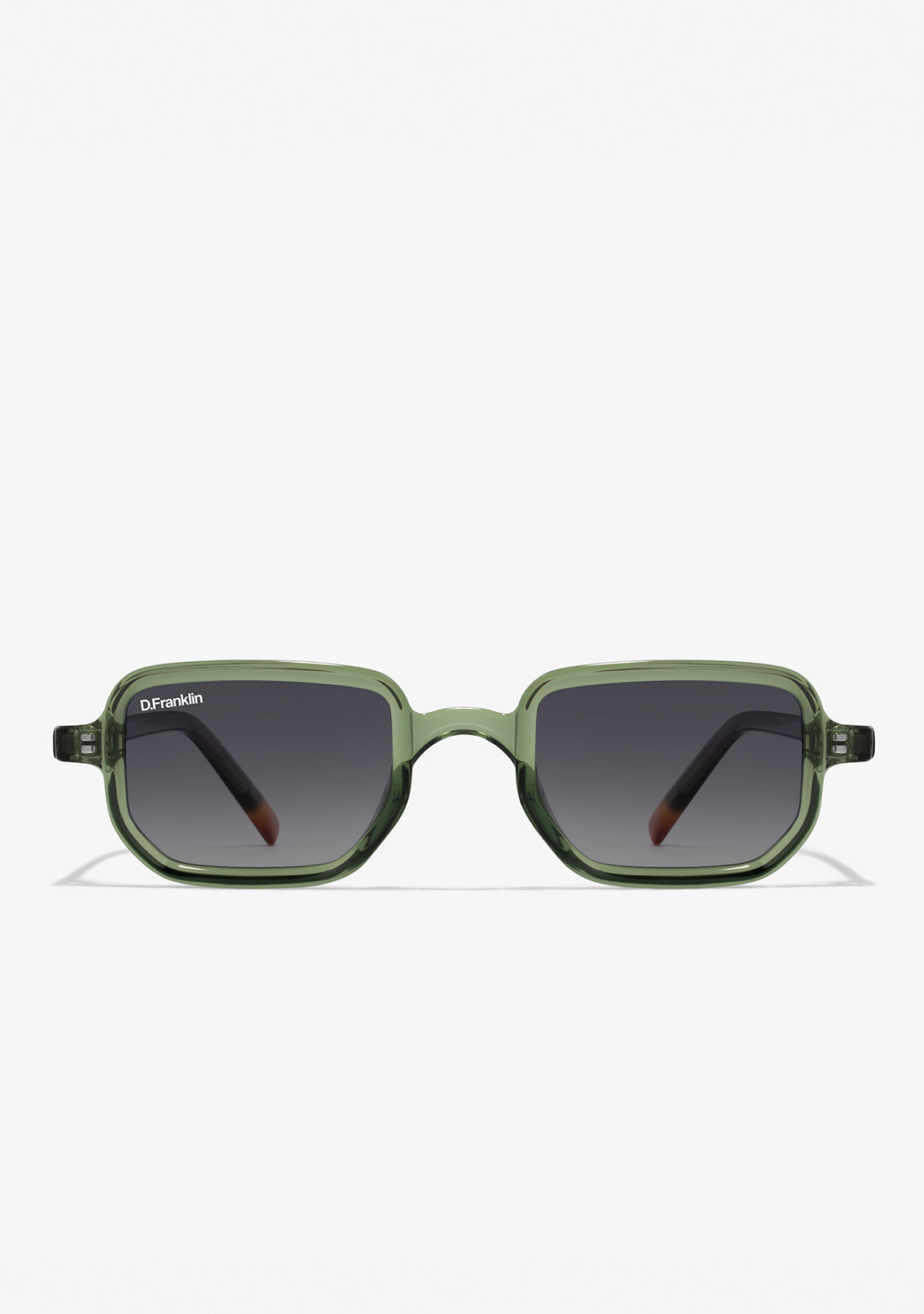
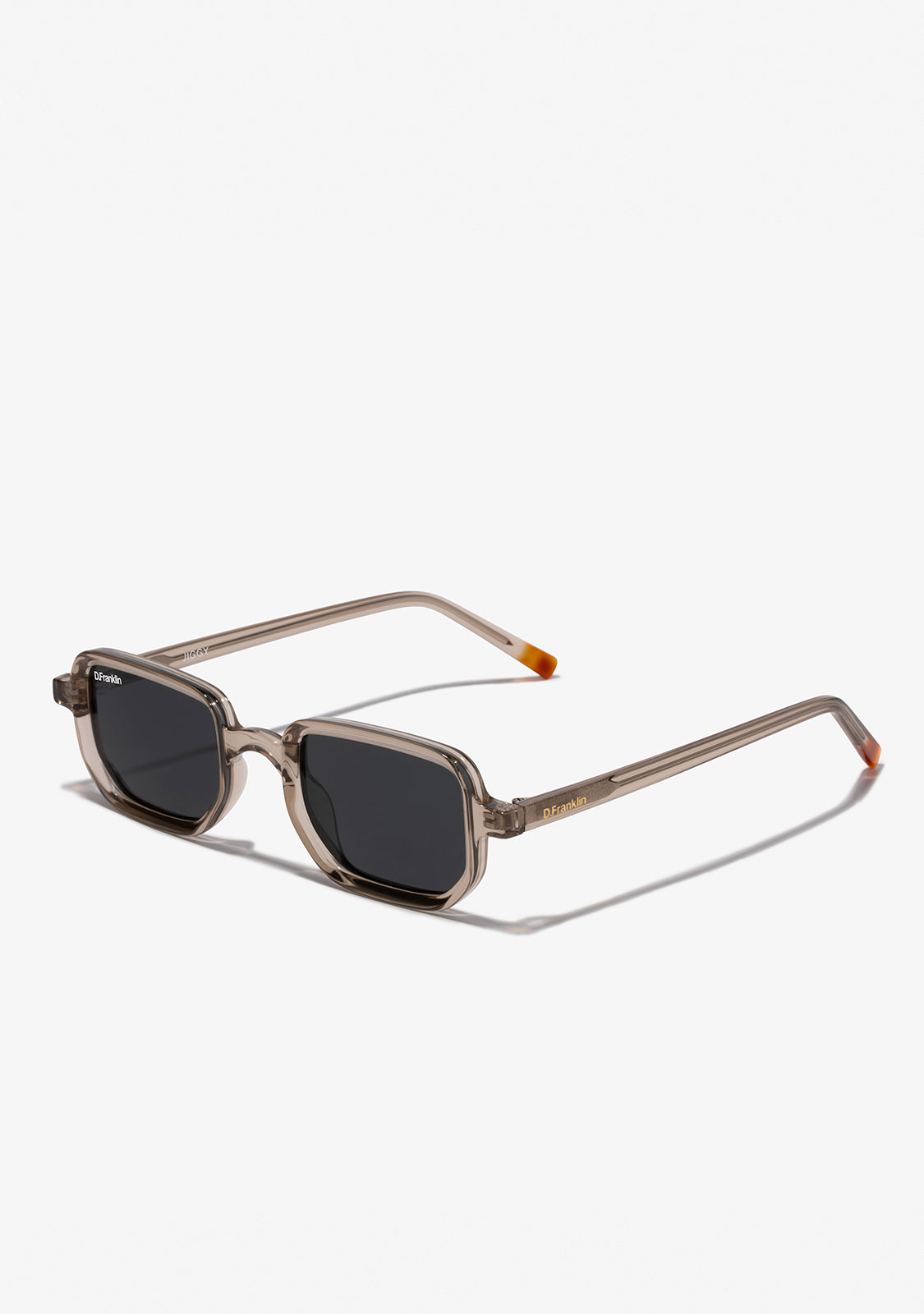
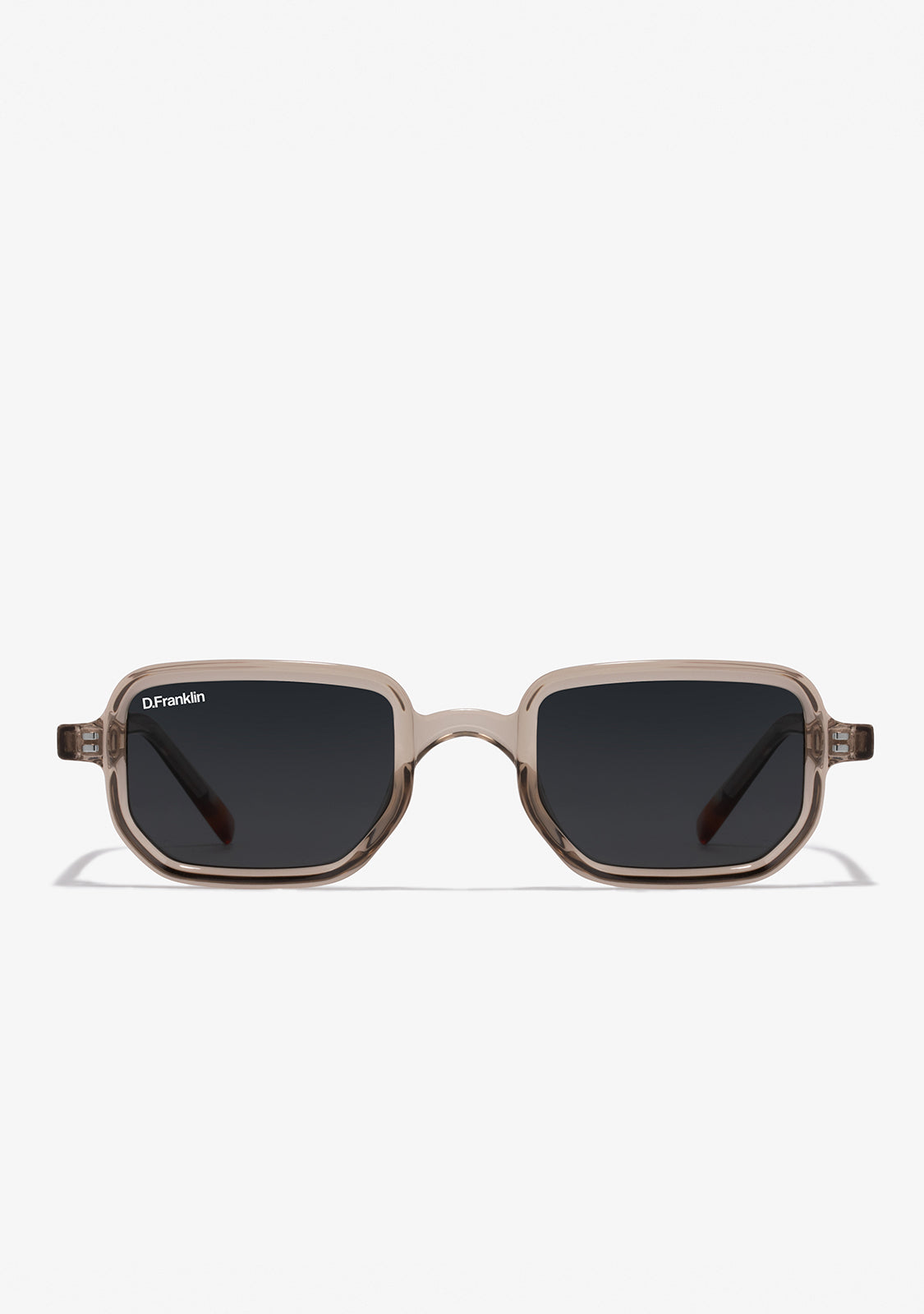
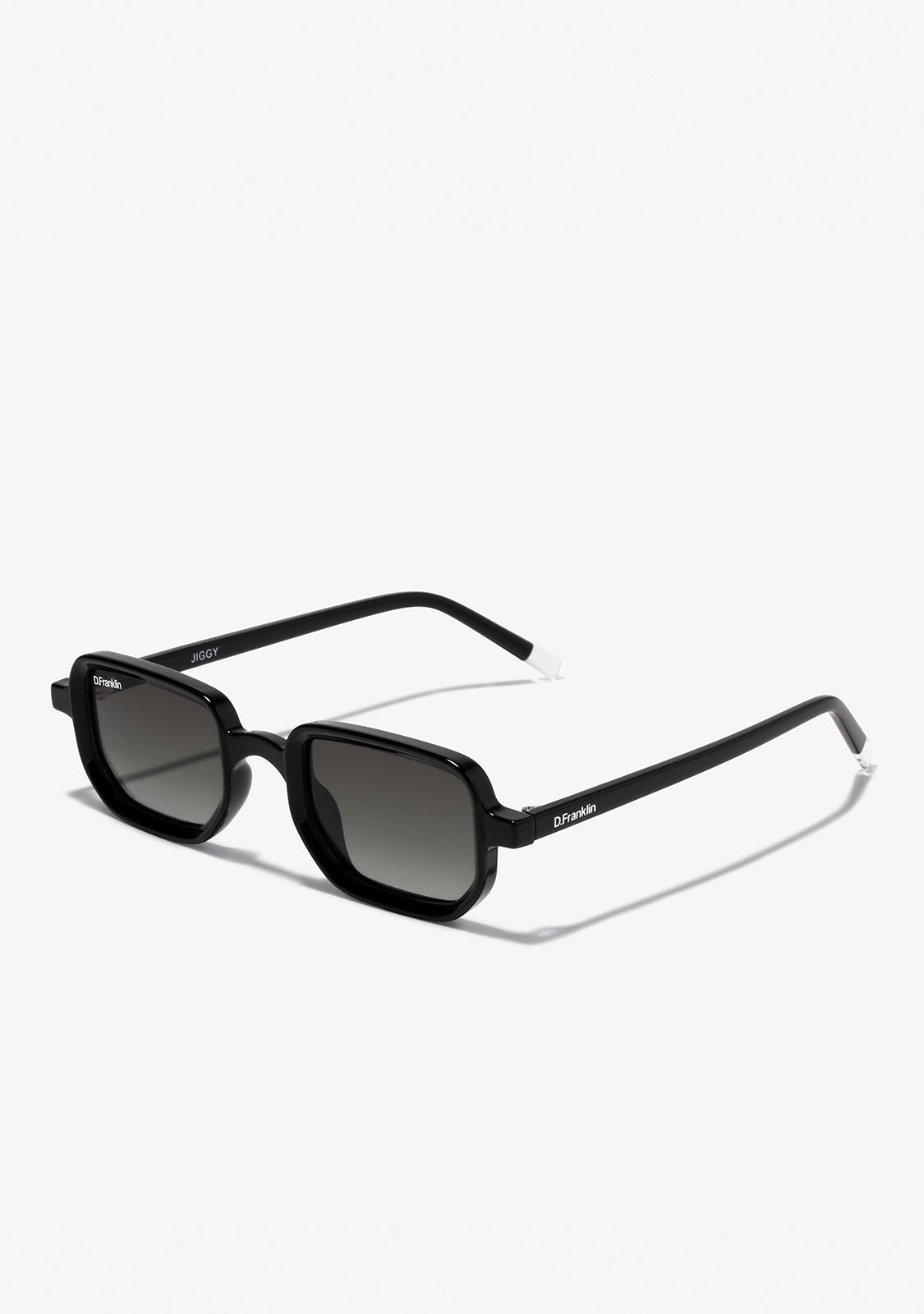
You may also like
Sunglasses
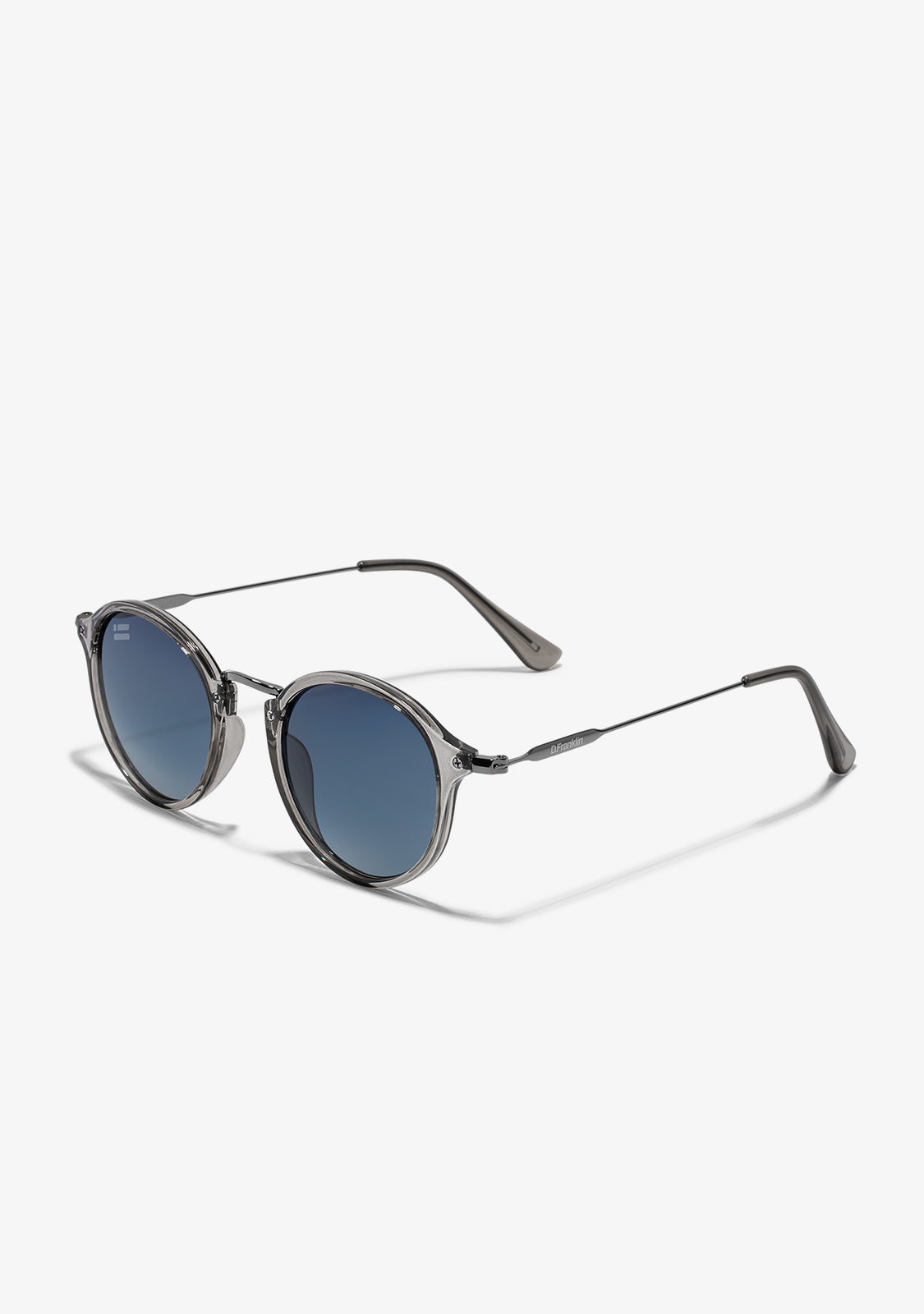
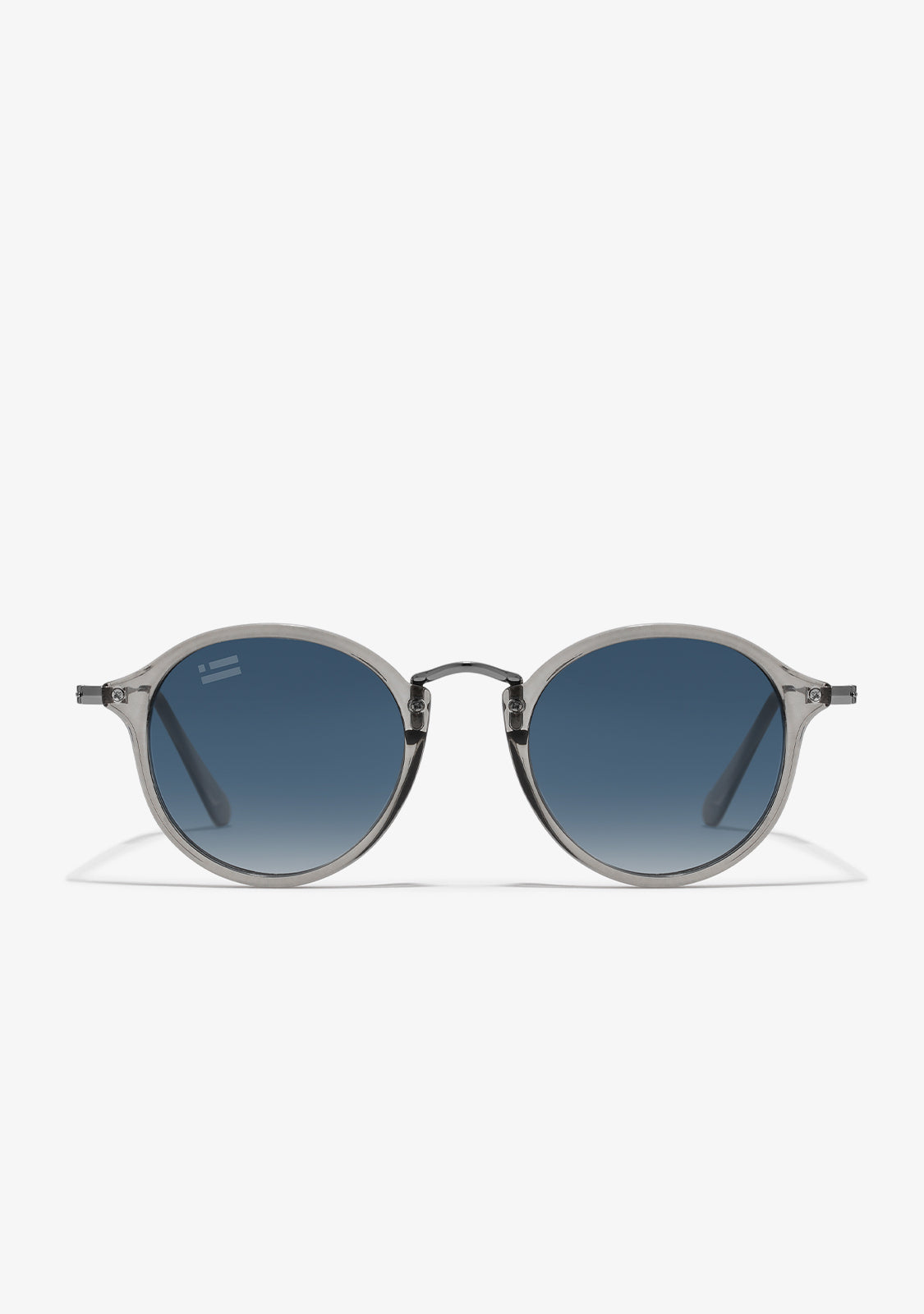
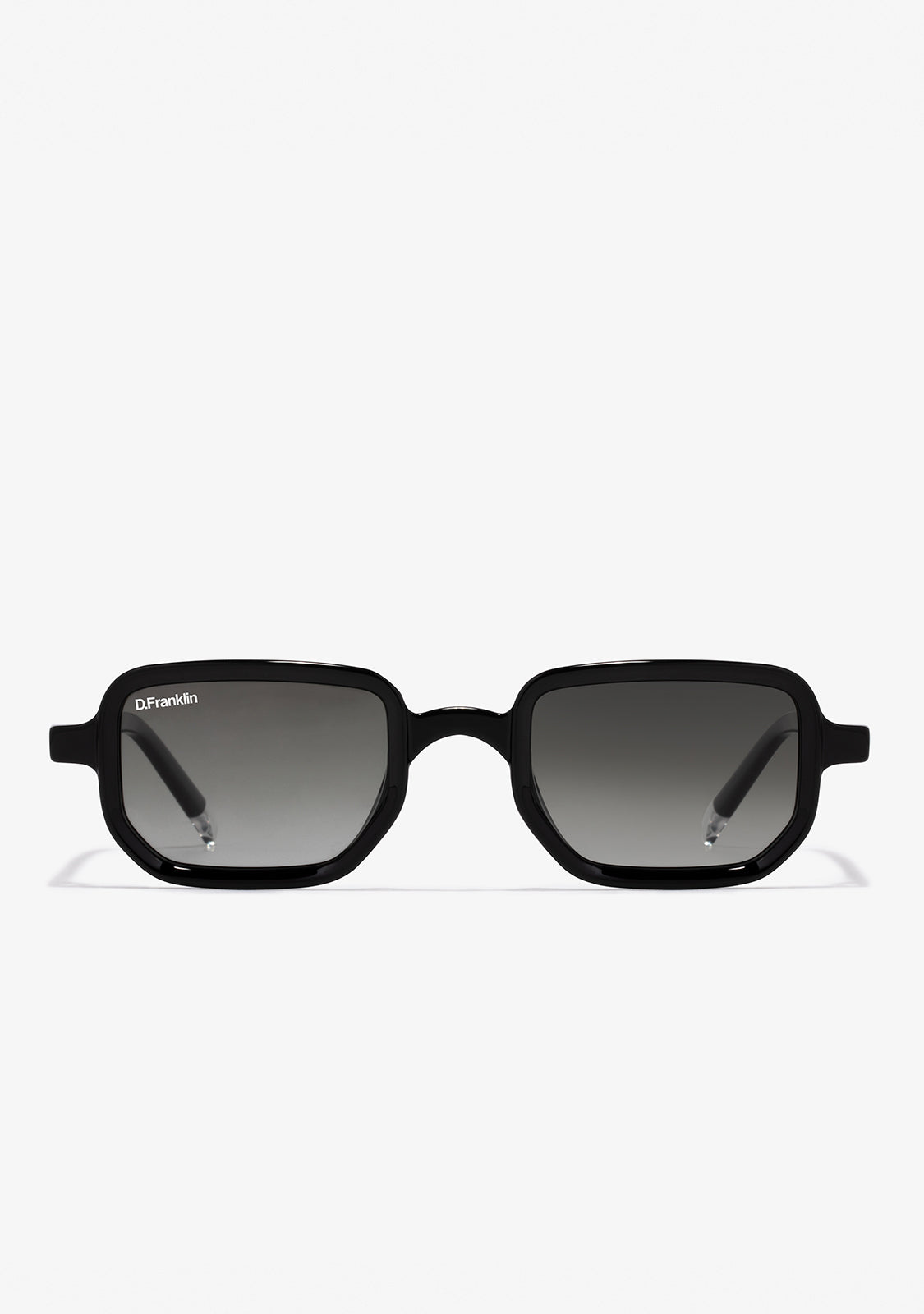
Roller SQ Crystal Blue / Grad Blue
Sunglasses made for every version of your day
Sunglasses are more than a final detail. They shape your look, protect your eyes and set the tone before you step outside. D.Franklin sunglasses are designed for everyday plans, bright city light, weekend escapes, beach days, festivals and everything that happens in between.

Read moreRead less
In this collection, you’ll find sunglasses for men and women with UV400 protection, created to help block UVA and UVB rays while keeping your style in focus. Choose from square, round, aviator, oval, cat eye, sport and geometric frames, with different lens colors, frame materials and finishes to match the way you move.
How to choose the right sunglasses
Start with the shape. Square sunglasses add structure and give the face a sharper line. Round frames bring a softer, retro feel. Aviator sunglasses keep things classic and easy to wear. Cat eye frames add a more expressive edge, while sport sunglasses are built for movement, outdoor plans and a more technical look.
Then look at the lenses. Polarized sunglasses can help reduce glare from roads, water and bright surfaces. Photochromic lenses adapt to changing light depending on the model. Gradient lenses create a lighter finish, while mirrored lenses bring a stronger visual impact. Dark lenses keep the look clean and timeless; colored lenses add more attitude.
Sunglasses for men, women and screen days
If you want to narrow it down, explore our men’s sunglasses for square, aviator, sport and everyday frames with a sharper feel. You can also discover our women’s sunglasses, with cat eye, oversized, round, transparent and statement designs made to change the energy of any outfit.
For days spent in front of screens, our blue light glasses bring D.Franklin attitude into your digital routine with Blue Block lenses and easy-to-wear frames.
Find your way to wear the sun
The right pair of sunglasses should fit your face, your rhythm and your plans. Filter by frame shape, lens type, color, material or availability, and find the D.Franklin pair that gives your look a clear direction.
Choosing by measurements and contact points
Compare the front, bridge and temples with glasses that already fit well. The frame should stay put without persistent pressure or constant readjustment. A men's or unisex label does not define one standard size.
When comparing shapes, separate the outline from the size. Large round glasses create a different effect from narrow oval ones, even though both use curves. Square corners make the front more defined; a thin, transparent or low-contrast frame can soften that presence. Face shape can guide an aesthetic preference, but it does not require one particular silhouette.
Front and temple materials are another part of the decision. A metallic appearance does not identify the composition, and frame thickness alone does not establish weight. Check the stated materials and try the contact points: the bridge should support the frame and the temples should follow your head without relying on a cap to compensate for fit.
Materials, fit and care
Lens color, filter category and UV protection are separate specifications. Check each one for the chosen variant. A darker tint or mirrored surface does not on its own establish stronger UV protection; polarization is another distinct feature.
Frequently asked questions
How do I choose a frame shape?
Compare the effect of rounded and angular lines, but check measurements too. A shape you like still needs a bridge and temples that provide a comfortable fit.
Are all sunglasses in this collection polarized?
No. The collection includes different lens types. Confirm polarization in the chosen option's specifications rather than inferring it from color or a mirrored finish.
How do polarization and UV protection differ?
Polarisation reduces certain reflections, while UV protection describes ultraviolet filtering. They are different features that should be checked separately when choosing sunglasses.
How can I tell if sunglasses are too large?
Watch for slipping when you tilt your head or a bridge that barely makes contact. Compare dimensions with stable glasses; holding them tighter with accessories does not correct an unsuitable size.
How do I compare glasses with the same shape in different sizes?
Check overall width, lens height, bridge and temple length, then compare frame thickness. Fronts with similar widths can look very different. Use glasses that already fit well as a reference and check their support when smiling or tilting your head.
What should I look for when exercising?
Consider stability during movement, coverage and compatibility with caps, helmets or other accessories. Check lenses and intended use too: a sporty appearance does not confirm every feature.
How should I care for the lenses?
Follow the manufacturer's instructions and remove dust before using a clean microfiber cloth. Avoid laying them lens-side down, exposing them to intense heat or storing them loose among other objects.