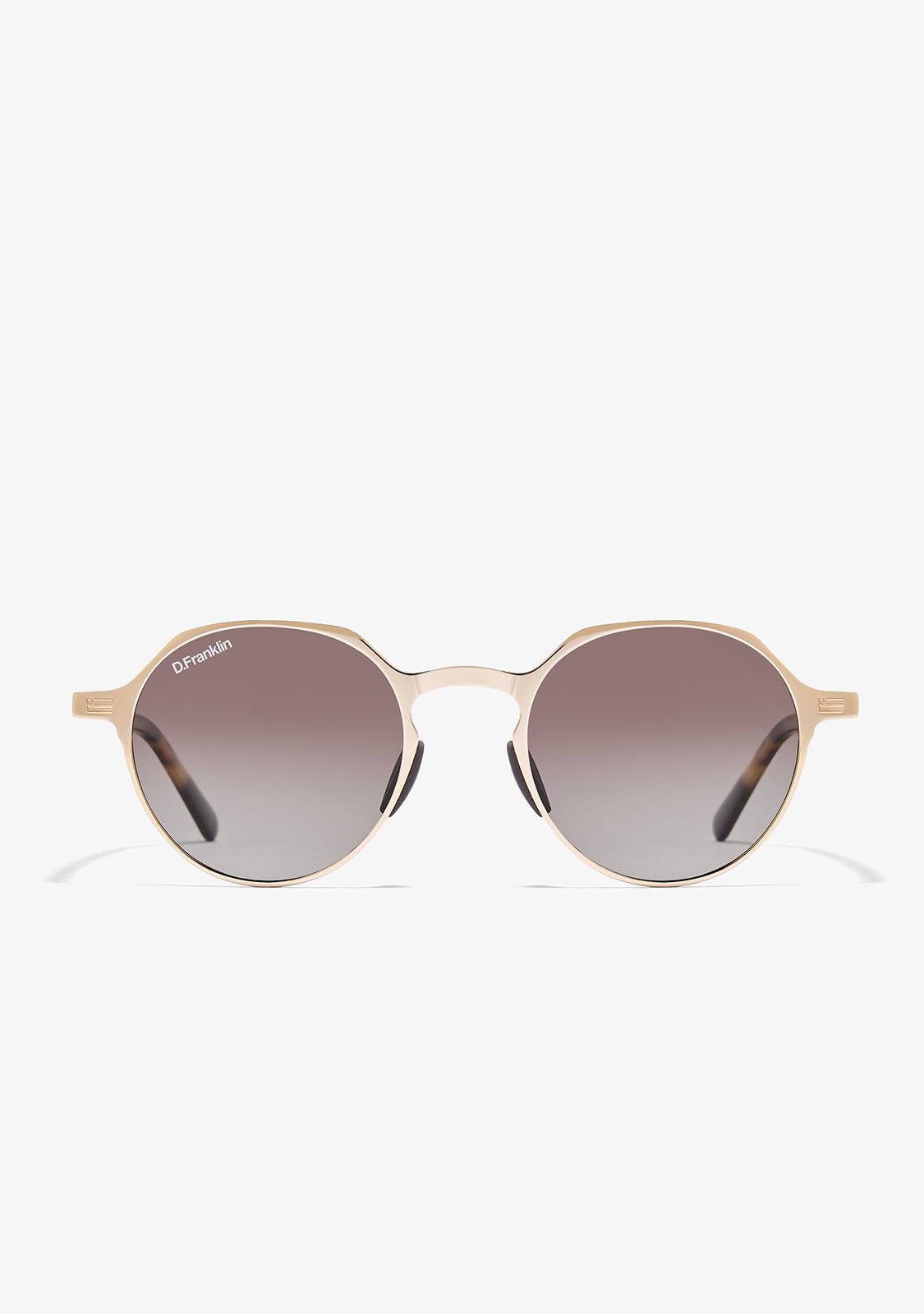
What Does Polarized Mean?
Sunglasses, regardless of their size and materials, must protect against UV rays. So, what does polarized mean? It is a type of filter that only allows light to pass in a vertical direction, or in other words, it blocks horizontal light when it bounces off surfaces such as water, ground, or ice.
Advantages of Polarized Sunglasses
Ideal for outdoor activities. They are perfect for use as sports sunglasses, whether on land or in water.
Crisp vision. The polarization of the lenses allows for vision with greater color contrast, avoiding bothersome glare.
Visibility in shaded areas. They do not hinder vision in shaded areas, ensuring clear sight at all times.
Elimination of light glare. They prevent light flares that could pose a potential danger to the user.
Improved definition of details
Variety of styles. Polarized sunglasses are available in various shapes and adapt to all types of frames and styles, whether round, aviator-style, or extra-large frames.
Variety in their shapes. They are compatible with all types of frames and styles, such as round sunglasses, aviator-style, or extra-large frames.
Discover the world with clear vision and without annoying glare with our polarized sunglasses!
Difference Between UV400 and Polarized
People often confuse what polarization means with UV 400 protection. While the latter protects against the sun's rays, polarized sunglasses improve your visibility by eliminating glare and also protect against solar radiation. In other words, beyond ocular health, they offer these features.
How to Tell if Sunglasses Are Polarized
Polarization has nothing to do with the color of the lens but rather with vectorially blocking the sun's rays so that they do not cause glare. If you are curious and want to ensure that the sunglasses you purchased are polarized, you can do the following:
First method. Place the lens in front of an LCD screen, such as a computer, and observe if the light gradually darkens or lightens as you rotate the angle of the lens. If this happens, it indicates that the lens is polarized.
Second method. Select two lenses and form an L-shaped angle (90 degrees). If darkening occurs, it means that the lenses are polarized.
Are Polarized or Regular Lenses Better?
It depends on your environment. A good pair of sunglasses, even if they are regular, will reduce light intensity in addition to protecting you from UV rays. The advantage of polarized sunglasses is that they prevent glare on reflective surfaces such as water or snow. There is no one option that is better than the other; it all depends on how clear you want to see. For example, they are highly recommended for daytime driving.
Polarisation, UV protection and filter category
These describe different features. Polarisation reduces certain reflections, UV protection concerns ultraviolet filtering, and filter category indicates the level of visible light filtering. Check each specification rather than judging by lens color.
Polarised lenses do not necessarily change tint with the light. That is a photochromic feature and must be stated explicitly in the specifications.
Choose by silhouette, width and bridge fit
When comparing shapes, separate the outline from the size. Large round glasses create a different effect from narrow oval ones, even though both use curves. Square corners make the front more defined; a thin, transparent or low-contrast frame can soften that presence. Face shape can guide an aesthetic preference, but it does not require one particular silhouette.
Check visibility of the screens you use, such as a watch or navigation display, because polarization can affect their appearance at some angles. If choosing glasses for driving, check the lens's stated suitability and category; polarization alone is not enough to decide.
Men's Polarised Sunglasses · Women's Polarised Sunglasses · Polarised Sports Sunglasses